From Team Zamzam: MONTHLY HUMANITARIAN SITUATION AND RESPONSE REPORT
Reporting Period: 15 September – 7 October 2026 | Bami-Jura Refugee Camp – Tine, Chad
Executive Summary
The humanitarian situation at Bami-Jura Refugee Camp in the Tine area of Chad remains extremely challenging and continues to deteriorate as large numbers of Sudanese refugees arrive on a daily basis. The majority of newly displaced people are women and children who have fled violence, insecurity, and serious violations in Sudan.
Refugees are arriving after traumatic displacement journeys, having lost homes, livelihoods, family members, and access to essential services. The increasing population is placing additional pressure on already limited food, health, protection, education, and shelter resources.
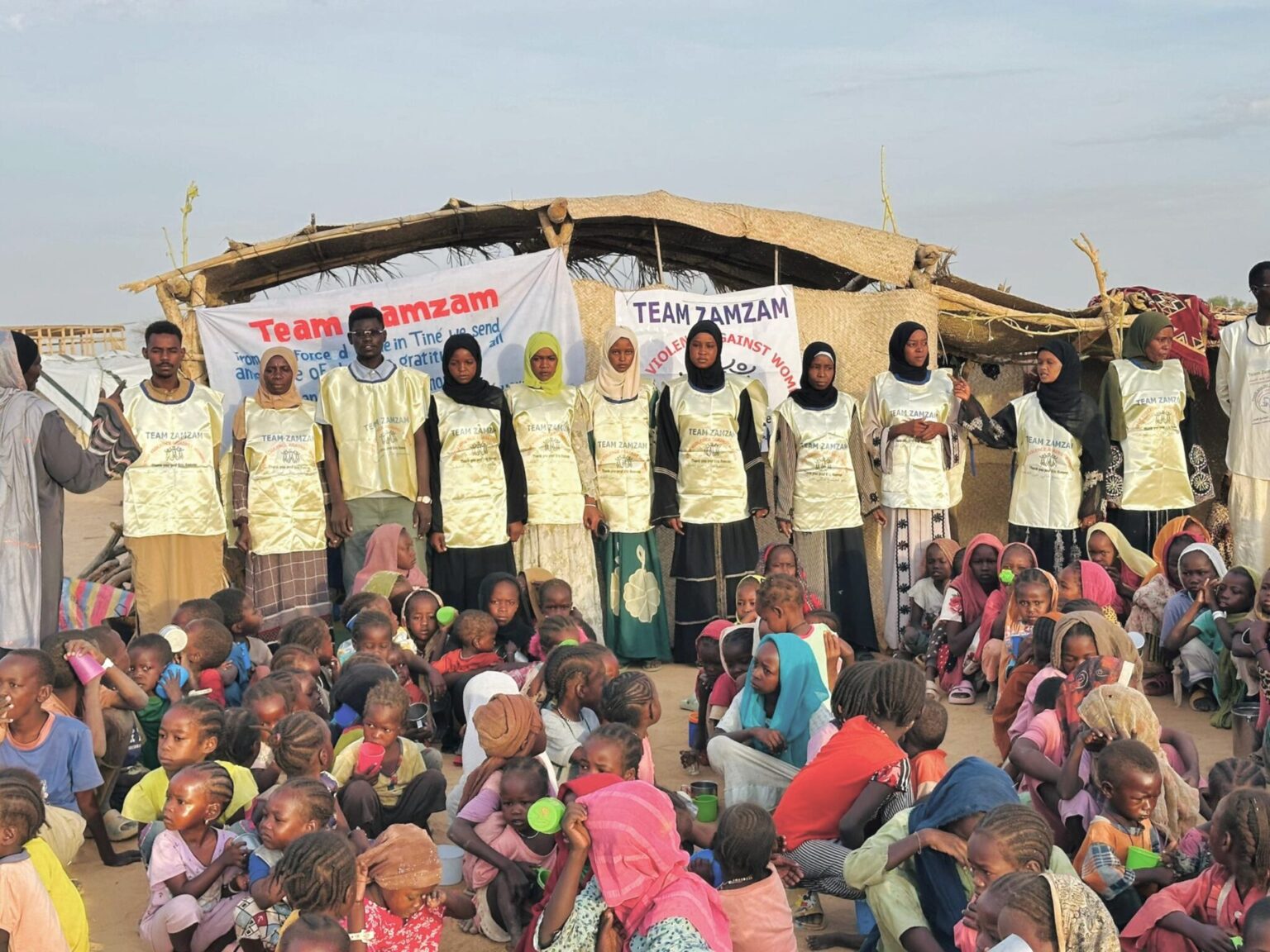
During the reporting period, Team Zamzam continued to provide humanitarian and community-based support despite significant resource constraints. Key interventions included the provision of breakfast to 2,731 individuals, psychosocial support to survivors of sexual violence, monitoring visits within the refugee shelter, distribution of essential food and hygiene items to 113 households comprising 715 individuals, and the operation of the first educational center established by Team Zamzam inside Bami-Jura Camp.
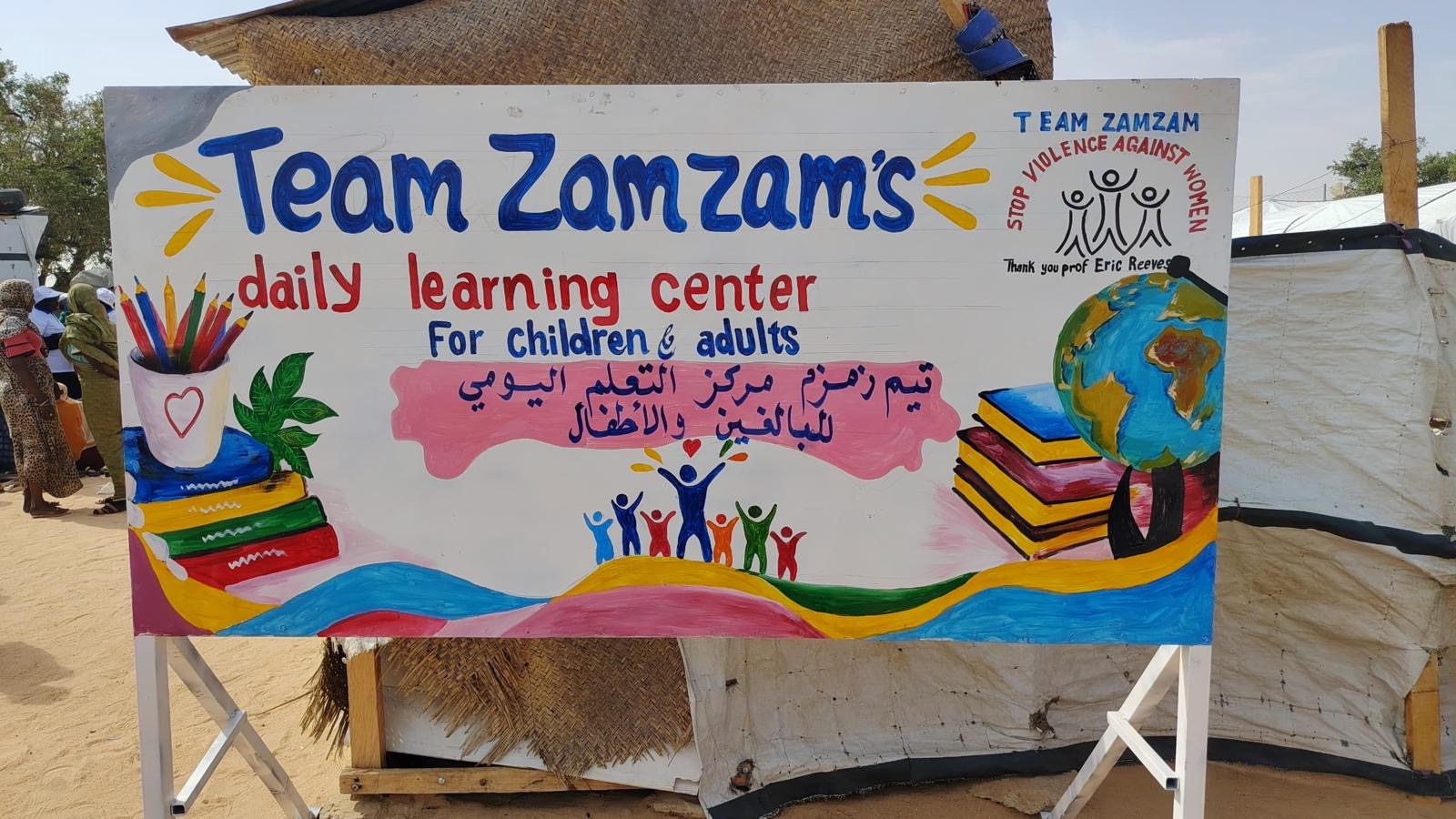
The educational center, established on 19 September 2026, currently operates two classrooms and serves approximately 400 children per day, in addition to approximately 60 women participating in afternoon activities. However, demand substantially exceeds available capacity, with more than 1,000 children expressing interest in accessing educational activities.
The overall situation requires an urgent, coordinated, and sustained humanitarian response. The scale of current needs significantly exceeds the resources available to Team Zamzam and the existing humanitarian response capacity in the area.
[1] Humanitarian Situation
The humanitarian situation at Bami-Jura Camp remains extremely difficult amid the continued arrival of Sudanese refugees fleeing conflict and insecurity. Newly arrived families are predominantly composed of women and children, many of whom have experienced displacement, loss, violence, and separation from family members.
Refugees have arrived in Chad following traumatic journeys characterized by insecurity, loss of livelihoods, displacement, and exposure to violence. Many families have arrived with few or no personal belongings and with limited access to financial resources, healthcare, food, education, and other essential services.
The continued influx of refugees is placing significant pressure on available humanitarian resources and services. Existing assistance remains insufficient to meet the growing needs of the refugee population, particularly in the areas of food security, healthcare, protection, psychosocial support, and education.
This report presents the principal humanitarian concerns observed during the reporting period, as well as the activities implemented by Team Zamzam to respond to some of the most urgent needs.
[2] Living Conditions and Food Security
Living conditions inside the camp remain extremely difficult. Hundreds of newly displaced families continue to arrive, while available food assistance remains limited and insufficient to meet the needs of the growing refugee population.
For many families, access to adequate food remains a daily challenge. Some households struggle to secure even one meal per day due to the lack of income-generating opportunities, limited access to employment, and their heavy dependence on humanitarian assistance.
Since mid-2025, Team Zamzam has continued, within its limited financial and operational capacity, to provide daily meals and other forms of humanitarian assistance to vulnerable refugees. This has included breakfast and lunch support for children, as well as targeted assistance to particularly vulnerable groups, including patients suffering from obstetric fistula, survivors of sexual violence, and other individuals with urgent needs.
Team Zamzam has previously issued urgent appeals to international organizations and humanitarian actors operating in the area, calling for increased intervention to address the deteriorating food security and humanitarian situation. However, the assistance currently available remains below the level required to address the scale and urgency of the needs.
Key Food Security Intervention During the Reporting Period
A total of 2,731 individuals benefited from the breakfast program during the reporting period. Approximately 60% of beneficiaries were children, highlighting the importance of continued food assistance for children living in the camp.
Team Zamzam considers sustained food assistance to be an immediate priority, particularly for newly arrived families, children, female-headed households, and other vulnerable groups.
[3] Health Situation
The health situation inside the camp remains a major concern. Multiple factors are contributing to the deterioration of health conditions, including malnutrition, limited access to healthcare services, shortages of medicines and medical supplies, and the inability of many refugees to afford basic treatment.
Field observations indicate that a significant number of refugees are living with untreated or inadequately treated health conditions. Some individuals are suffering from injuries, wounds, bleeding, and other medical complications requiring urgent attention.
The shortage of specialized healthcare services and medical facilities is particularly concerning for children, women, older people, injured individuals, and people experiencing malnutrition or displacement-related illnesses.
Limited access to essential medicines is also contributing to the vulnerability of refugee households. Many families lack the financial means to purchase medicines or access treatment outside the camp.
Without strengthened and sustained health interventions, the health situation may deteriorate further, particularly as new arrivals continue to increase pressure on existing services.
Health Priorities
Immediate priorities include:
- Access to primary and emergency healthcare services.
- Essential medicines and medical supplies.
- Treatment and referral services for injured individuals.
- Nutrition screening and treatment for malnourished children.
- Maternal and reproductive health services.
- Health education and awareness.
- Specialized support for survivors of sexual and gender-based violence.
- Referral and treatment services for patients with obstetric fistula and other chronic or complex conditions.
[4] Protection and Security Situation
The security environment surrounding refugee-hosting areas remains a significant concern. Many refugees continue to live with persistent fear and anxiety due to insecurity and the continuing risks associated with the conflict in Sudan and its proximity to areas hosting displaced populations.
Many refugees remain unable to safely return to their areas of origin to search for missing relatives, recover belongings, or assess the condition of their homes because of continuing insecurity and the absence of conditions necessary for safe and dignified return. Refugees have also reported significant fear and distress associated with the sound of drones reportedly operating in the area. For many displaced people, such sounds can trigger memories of previous violence and bombardment and contribute to heightened psychological distress.
The situation underscores the need for strengthened protection monitoring, security coordination, referral mechanisms, and psychosocial support for refugee communities, particularly women and children and individuals who have experienced or remain at risk of violence and abuse.
[5] Most Vulnerable Groups
Field observations during the reporting period identified particularly urgent needs among the following groups:
- Women and children, particularly newly arrived families.
- Children experiencing food insecurity and malnutrition.
- Patients requiring medicines and continued medical treatment.
- Individuals suffering from wounds, injuries, and bleeding who have not received adequate medical care.
- Survivors of sexual and gender-based violence.
- Patients suffering from obstetric fistula.
- Female-headed households and families who have lost their primary breadwinner.
- Families separated as a result of conflict and displacement.
- Unaccompanied and separated children.
- Individuals searching for missing family members.
- Refugees experiencing significant psychological distress as a result of conflict, displacement, and loss.
[6] Activities and Achievements During the Reporting Period
Despite limited resources, Team Zamzam implemented a number of humanitarian and community-based interventions during the reporting period.
[i.] Breakfast Program
A total of 2,731 individuals benefited from the breakfast program, approximately 60% of whom were children.
The program provided essential nutritional support to vulnerable individuals, with particular attention to children and families experiencing food insecurity.

[ii.] Psychosocial Support for Survivors of Sexual Violence
Team Zamzam conducted 27 psychosocial support sessions for survivors of sexual violence, comprising:
- 18 individual sessions
- 9 group sessions
The sessions provided confidential and supportive spaces in which survivors could access psychosocial assistance and discuss their needs in a safe environment.
[iii.] Monitoring and Follow-Up Visits
A total of 8 monitoring and follow-up visits were conducted inside the refugee shelter. The visits focused on assessing living conditions, identifying emerging needs, monitoring the well-being of refugees, and following up on humanitarian services and priority cases.
[iv.] Distribution of Essential Food and Hygiene Items
Team Zamzam distributed essential food and hygiene items to 113 households, benefiting a total of 715 individuals. The distributed items included:
Sugar: 200 kg
Flour: 465 kg
Rice: 160 kg
Red lentils: 80 kg
Laundry soap: 92 pieces
The distribution was intended to support vulnerable households and address some of their immediate food and household needs.
 [v.] Daily Education Activities
The daily education center currently operates two classrooms, with activities organized in two shifts:
- Morning: Educational activities for children.
- Afternoon: Educational, awareness, and support activities for women.
The center currently serves approximately 400 children per day and approximately 60 women.
However, demand substantially exceeds current capacity. More than 1,000 children have expressed interest in attending educational activities, while the current two-classroom structure can accommodate approximately 400 children per day. Additional classrooms, teachers, educational materials, and operational resources are therefore urgently required to expand access.
First Educational Center at Bami-Jura Camp
Implementing Organization: Team Zamzam | Date of Establishment: 19 September 2026
 Background
Education is a fundamental right and an essential source of hope, stability, and opportunity for children affected by conflict and displacement.
While Sudanese families living in relatively safe areas and Sudanese communities residing outside Sudan have continued to support their children’s education, thousands of displaced Sudanese children in refugee and displacement camps, particularly in eastern Chad, have been deprived of regular educational opportunities as a direct consequence of war and displacement.
Approximately 18,700 Sudanese refugee students were reportedly unable to sit for the Sudanese Secondary School Certificate examinations, despite prolonged efforts to identify solutions that would enable them to participate.
The disruption of education has had significant consequences for children and young people, contributing to frustration, uncertainty, and the loss of important educational opportunities.
Against this backdrop, the need for educational initiatives within refugee camps became increasingly urgent. Safe and accessible learning spaces can help children continue their education while also providing structure, social interaction, psychosocial support, and a sense of normality amid displacement.
Rationale for Establishing the Educational Center
The idea of establishing an educational center at Bami-Jura Camp was developed by Team Zamzam counselors working directly with Sudanese refugees and witnessing their needs on a daily basis. The initiative received encouragement and support from Gaffar MOHAMMUD and Professor Eric Reeves, who contributed to promoting and encouraging the implementation of the project.
When Team Zamzam began its humanitarian activities at Bami-Jura Camp, including the provision of breakfast meals and moral and humanitarian support to children, the team observed a strong desire among children to learn and return to education. Through direct engagement and field monitoring, education emerged as one of the most urgent needs identified by children and families. This led Team Zamzam to transform the identified need into a practical initiative through the establishment of the first educational center inside Bami-Jura Camp.
Establishment and Launch of the Educational Center
Team Zamzam coordinated with camp supervisors and administrators to discuss implementation arrangements and develop an approach appropriate to the available resources and operating environment.
During the initial phase, the team conducted an assessment and registration process for children living in the camp, with particular attention to:
- Unaccompanied children.
- Separated children.
- Orphans.
- Children without adequate family support.
- Children facing particular protection and educational vulnerabilities.
The assessment identified more than 1,000 boys and girls interested in accessing educational activities, demonstrating the significant unmet demand for education. Based on these findings, Team Zamzam established a Child-Friendly Space designed to provide children with a safe and supportive environment for learning, social interaction, and recreational activities.
The center also provides children with an opportunity to reduce the isolation, inactivity, and psychological pressures associated with prolonged displacement.
Educational Materials and Human Resources
The center was equipped with essential educational materials and classroom supplies, including:
- Textbooks and educational reference materials.
- Exercise books and notebooks.
- Pens and pencils.
- Chalk.
- Drawing materials.
- Blackboards/whiteboards.
- Basic classroom supplies.
A team of eight supervisors, teachers, and facilitators was established to support the center, comprising:
- 6 women
- 2 men
Responsibilities were distributed according to the needs of the educational program. The center operates through two main sessions:
Morning Session: Dedicated primarily to children and focused on educational and learning activities.
Afternoon Session: Dedicated primarily to women, providing opportunities for learning, awareness-raising, and personal development.
The inclusion of women’s activities reflects the center’s broader objective of supporting education and community resilience among refugee families.
Opening of the Center
The educational center at Bami-Jura Camp was established and officially opened on 19 September 2026 by Team Zamzam, with the support and contribution of volunteer teachers. During its initial phase, the center consisted of two classrooms, both equipped with basic educational materials and supplies.
Educational activities commenced immediately following the opening, allowing children and women to benefit from the initiative from its first day. The establishment of the center was positively received by residents of the camp and surrounding community.
Statements from Staff and Beneficiaries
- Team Zamzam Administrative Officer Mr. Omar Mohammed Mangu, Administrative Officer at Team Zamzam, stated that the establishment of the educational center represents the collective efforts of Team Zamzam staff, supporters, volunteers, and partners who have contributed to the organization’s humanitarian initiatives.
He expressed his appreciation to all individuals who contributed to supporting the project and noted the strong and positive response received from residents of the camp and surrounding community.
He further emphasized that the community had welcomed the center with considerable enthusiasm despite the difficult living conditions and humanitarian challenges facing refugees at Bami-Jura Camp.
- Center Supervisor and Teacher Ms. Zakeya expressed her appreciation for the establishment of the educational center and emphasized its importance for both children and women. She thanked the supporters, teachers, volunteers, and other individuals involved in the initiative and described the center as an important humanitarian and educational intervention. She also highlighted the urgent need for additional support to establish more classrooms and expand the center’s capacity, given the large number of children seeking access to education.
- Team Zamzam Moral Counselor Ms. Manahil expressed her appreciation to Team Zamzam staff members, volunteers, teachers, supporters, and well-wishers who contributed to the delivery of humanitarian and educational services.
She extended particular appreciation to Gaffar, Professor Eric Reeves, and Nancy Reeves, recognizing their support and encouragement for the humanitarian and educational initiative. She described the opening of the center as a meaningful and joyful occasion for residents of the camp while emphasizing that the scale of the needs requires continued support and investment to enable the initiative to expand.
- Team Zamzam Health Counselor Dr. Siham Baraka, Team Zamzam Health Counselor, expressed her appreciation to all supporters and contributors to the project. She emphasized the importance of integrating health education and basic health support into programs serving children and women. She noted that health needs within Bami-Jura Camp, as well as in other refugee hosting areas in eastern Chad, remain significant and require sustained attention from humanitarian actors and relevant authorities.
She called for increased support for healthcare, health awareness, and preventive health activities, emphasizing that education and healthcare are both essential to protecting refugee children and families and improving their living conditions.
A statement from Ms. Fawzia Ahmed Suleiman, a refugee residing at Bami-Jura Camp, welcomed the establishment of the educational center and described it as an important source of hope for children affected by war and displacement.
She emphasized that children have experienced significant psychological and social impacts as a result of conflict, displacement, and prolonged inactivity, and that the educational center provides them with an opportunity to regain structure and hope. She expressed appreciation to humanitarian workers, supporters, contributors, volunteers, teachers, and community members involved in the initiative and expressed hope that similar educational activities could eventually be established in other refugee camps.
She concluded: “Everyone who loves education should have the opportunity to learn and pursue their dreams, God willing.”
Key Challenges and Gaps in Humanitarian Assistance
Despite the progress achieved during the reporting period, several significant challenges continue to constrain the humanitarian response:
- Limited Food Assistance
Food assistance remains insufficient in relation to the size and growing needs of the refugee population.
- Limited Healthcare Capacity
The availability of healthcare services, medicines, medical supplies, and specialized treatment remains inadequate.
- Protection Risks
Women, children, survivors of sexual violence, and other vulnerable individuals continue to face significant protection concerns.
- Educational Capacity
The educational center currently has only two classrooms and cannot meet the demand from more than 1,000 interested children.
- Limited Humanitarian Resources
Team Zamzam’s capacity to expand its interventions remains constrained by limited financial, material, and human resources.
- Continued New Arrivals
The continued arrival of newly displaced families is increasing pressure on already limited services and resources.
- Urgent Humanitarian Priorities and Recommendations
Based on field observations, monitoring activities, and direct engagement with refugee communities, Team Zamzam recommends the following priority actions:
[1.] Scale up food assistance and establish regular food and meal support for vulnerable families and children.
[2.] Strengthen healthcare services inside and around the camp, including primary, emergency, maternal, and reproductive healthcare.
[3.] Provide essential medicines and medical supplies free of charge to the most vulnerable refugees.
[4.] Establish and strengthen nutrition programs, particularly for children and other nutritionally vulnerable groups.
[5.] Provide urgent medical treatment and referral services for injured and seriously ill individuals.
[6.] Strengthen protection services for women, children, survivors of sexual violence, and other at-risk groups.
[7.] Expand psychosocial support services for children, survivors of violence, and refugees experiencing trauma and distress.
[8.] Strengthen protection monitoring and security coordination around refugee-hosting areas.
[9.] Provide immediate assistance to newly arrived families, including food, hygiene items, shelter-related support, and protection services.
[10.] Expand educational infrastructure, including additional classrooms, teachers, learning materials, and Child-Friendly Spaces.
[11.] Strengthen coordination among humanitarian organizations, local authorities, community representatives, and refugee-led initiatives to improve the identification of needs and delivery of assistance.
[12.] Increase funding for community-based humanitarian initiatives, enabling local organizations such as Team Zamzam to expand their reach and respond more effectively to urgent needs.
CONCLUSION
The humanitarian situation at Bami-Jura Refugee Camp in the Tine area of Chad remains critical. Continued arrivals of Sudanese refugees, combined with limited food assistance, inadequate healthcare capacity, protection concerns, and significant gaps in education, are placing increasing pressure on refugees and humanitarian responders.
During the reporting period, Team Zamzam continued to provide assistance despite substantial resource limitations.
The organization supported 2,731 individuals through its breakfast program, delivered 27 psychosocial support sessions for survivors of sexual violence, conducted 8 monitoring visits, distributed essential food and hygiene items to 113 households comprising 715 individuals, and established the first educational center at Bami-Jura Camp.
The establishment of the educational center on 19 September 2026 represents a particularly important milestone. Although the center currently consists of only two classrooms, the response from the community and the demand for educational services demonstrate the importance of expanding access to safe and structured learning opportunities.
Education is not only about classrooms, books, and lessons. For children affected by conflict and displacement, education can provide structure, protection, psychosocial stability, social connection, and hope for the future.
However, the scale of humanitarian needs far exceeds the current capacity of Team Zamzam and available local resources. The organization therefore calls upon humanitarian organizations, international agencies, donors, and partners working in food security, health, protection, education, and psychosocial support to strengthen their engagement and provide sustainable assistance.
Immediate and sustained support is required to prevent further deterioration of living conditions, reduce preventable suffering, protect vulnerable populations, and ensure that refugees can access essential services with dignity.
The situation requires action now. Continued delays in humanitarian assistance may further increase the risks of hunger, malnutrition, disease, untreated injuries, protection violations, and educational exclusion, particularly among children, women, and other vulnerable groups. In times of war and displacement, a meal can sustain a life, a safe space can protect a child, and a classroom can restore a dream.
Priority Support Required by Team Zamzam
To strengthen and expand its response, Team Zamzam is seeking support for:
- Food and nutritional assistance.
- Medical medicines and supplies.
- Emergency and primary healthcare services.
- Nutrition screening and treatment.
- Protection and GBV response services.
- Psychosocial support.
- Educational materials and school supplies.
- Construction or rehabilitation of additional classrooms.
- Recruitment and support of additional teachers and facilitators.
- Child-Friendly Spaces.
- Support for newly arrived refugees.
- Hygiene and essential household items.
- Monitoring, referral, and community-based protection activities.
Team Zamzam remains committed to working with humanitarian partners, donors, local authorities, refugee representatives, and community members to strengthen the humanitarian response and ensure that assistance reaches those most in need.
Prepared by: Team Zamzam
Location: Bami-Jura Refugee Camp, Tine, Chad
Reporting Period: 15 September – 7 October 2026
Date of Educational Center Establishment: 19 September 2026