Team Zamzam Monthly Humanitarian Situation Report, from the Coordinating Counselors (reporting period mid-June to mid-July)
Translated by Gaffar Mohammud Saeneen
 Introduction
This monthly report by the Zamzam Team covers the period from mid-June to mid-July and presents the key humanitarian developments and field observations documented during this reporting period. The report is divided into two main sections.
The first section focuses on the situation of Sudanese refugees who were relocated from Bami Jura Refugee Camp, located approximately six kilometres southwest of the Chadian town of Al-Tina, to Mayba Refugee Camp, situated about twenty-five kilometres from Al-Tina. It provides an assessment of the humanitarian and living conditions at the new site based on field observations collected by the Zamzam Team’s counselors while accompanying the relocation process.
The relocation was undertaken as part of a plan intended to improve refugee protection and access to basic services. However, observations documented by the Zamzam Team indicate that Mayba Refugee Camp faces significant humanitarian challenges, including its remote geographical location, limited access to urban centres and essential services, and inadequate infrastructure to meet the needs of the relocated population. These factors continue to adversely affect the living conditions of refugees.
The Zamzam Team accompanied the relocation process over a five-day period, documenting the challenges refugees encountered upon arrival. These included exposure to extreme weather conditions, the absence of vegetation providing shade from intense heat and storms, and limited access to essential services and livelihood opportunities. This report presents these findings objectively in order to support humanitarian planning and inform future interventions aimed at improving the wellbeing of refugees.
Part II: Humanitarian Response in Bami Jura Refugee Camp
Following the completion of the relocation mission to Mayba Refugee Camp, the entire Zamzam Team resumed its humanitarian operations in Bami Jura Refugee Camp in response to the continued arrival of thousands of Sudanese refugees fleeing North Darfur following attacks and widespread violations reportedly committed by the Rapid Support Forces (RSF).
During the three weeks preceding this report, Bami Jura Refugee Camp received tens of thousands of newly arrived refugees from different parts of Darfur. Women and children represented the majority of these arrivals. Many reached the camp in extremely vulnerable conditions, suffering from physical exhaustion, psychological trauma, fear, malnutrition, and the absence of adequate shelter and other basic necessities.
To respond to these urgent humanitarian needs, the Zamzam Team provided emergency assistance, including the distribution of waterproof tents, carpets, and water storage containers to the most vulnerable newly arrived families. These interventions were intended to provide minimum standards of shelter, protection, and dignity.
The team also launched an advocacy campaign through local, regional, and online media platforms to draw the attention of the humanitarian community and donors to the rapidly deteriorating humanitarian situation. These appeals received positive responses from members of the local community and the Sudanese diaspora, whose contributions helped strengthen the team’s emergency response.
Despite these efforts, humanitarian needs in Bami Jura Refugee Camp continue to far exceed available resources. The continued influx of refugees, combined with the onset of the rainy season, is expected to further worsen humanitarian conditions. Thousands of refugees remain in urgent need of shelter, clean water, food, clothing, healthcare, and protection services.
The Zamzam Team notes that the current humanitarian response remains insufficient to meet the scale of existing needs. Increased intervention by UNHCR, humanitarian partners, and donor agencies is urgently required to ensure timely protection and the provision of life-saving assistance.
Daily Living Conditions in Bami Jura Refugee Camp
Access to Water
For many refugee families, each day begins before sunrise with a journey to collect water. Refugees walk approximately two kilometres to reach the nearest borehole, where they often wait in long queues for several hours to obtain limited quantities of water. Due to high demand and occasional supply interruptions, some families return without collecting sufficient water for their daily needs.
Collection of Firewood and Cooking Fuel
After obtaining water, many refugees—particularly women—must travel long distances outside the camp to collect firewood, exposing themselves to protection risks and potential tensions with surrounding communities. Reliance on firewood for cooking also results in prolonged exposure to smoke, increasing the incidence of respiratory illnesses, particularly among women and children.
Food Security
Most households experience severe food insecurity and frequently survive on only one meal per day, consisting mainly of porridge or cereals with minimal nutritional diversity. Meat, vegetables, and other protein-rich foods remain inaccessible for most families. Signs of malnutrition are particularly evident among children and other vulnerable groups.
Shelter and Weather Conditions
The temporary shelters available in the camp provide limited protection from harsh environmental conditions. During the hot season, temperatures frequently exceed 45°C, making tents extremely uncomfortable and unsafe. During the rainy season, many shelters leak, while strong winds and dust storms allow sand and dust to enter living spaces, further reducing living standards.
Health Conditions
Healthcare services remain severely overstretched due to shortages of qualified personnel, medicines, and medical supplies. Consequently, communicable diseases such as diarrhoea, malaria, and scabies are widespread. The available health facilities are unable to meet the growing needs of the expanding refugee population. Pregnant women often give birth inside tents under unsafe conditions, lacking adequate medical care and sanitation.
Children
Children are among the groups most severely affected by the crisis. Many remain out of school and have no access to structured educational or recreational activities. Some children contribute to household survival by selling water, collecting recyclable materials, or transporting goods within the camp.
Isolation and Access to Information
The absence of electricity and reliable communication services leaves refugees isolated from the outside world. Limited access to information and communication with family members contributes to heightened anxiety, uncertainty, and psychological distress.
Access to Humanitarian Assistance
Aid distribution points are frequently overcrowded, requiring refugees—particularly older persons—to wait for extended periods before receiving assistance. Limited humanitarian resources mean that some households do not receive aid regularly, increasing their vulnerability.
Women
Women face additional challenges, including inadequate privacy in water and sanitation facilities and increased protection risks while collecting water or firewood outside the camp. They also shoulder primary responsibility for caring for children and managing household needs despite scarce resources.
Youth
Young people face limited opportunities for education, employment, and livelihoods, contributing to growing frustration and hopelessness. Some engage in irregular daily labour, while others consider undertaking dangerous migration routes in search of better opportunities.
Protection and Security at Night
After sunset, the camp is engulfed in darkness due to the absence of electricity and public lighting, increasing security concerns and restricting movement. Many refugees continue to experience the psychological consequences of conflict and displacement, including anxiety, trauma, and sleep disorders.
Stories Reflecting the Humanitarian Crisis
Individual cases documented by the Zamzam Team illustrate the profound human impact of displacement. These include a young girl forced to abandon her education and facing the risk of early marriage due to economic hardship; a teacher who lost his livelihood and now depends entirely on humanitarian assistance; and a mother who lost two of her children during displacement and continues to struggle to protect the rest of her family. There are countless other such cases.
Community Resilience
Despite extremely difficult circumstances, refugees continue to demonstrate remarkable resilience and solidarity. Families regularly share food with neighbours, mothers organise informal learning activities for children, and women lead voluntary initiatives to improve camp hygiene, manage rainwater drainage, and produce basic household items using locally available materials.
Summary
Field observations indicate that refugees in Bami Jura Refugee Camp face interconnected humanitarian challenges relating to shelter, water, food security, healthcare, protection, and livelihoods. As refugee arrivals continue and the rainy season is due , there is an urgent need to strengthen humanitarian assistance and expand protection services to ensure that the most vulnerable populations receive the support necessary to live in safety and dignity.
HUMANITARIAN ACTIVITIES CARRIED OUT DURING THE REPORTING PERIOD
During the reporting period, the Zamzam Team successfully implemented the following humanitarian interventions:
[1] Food Distribution: Food packages containing rice, pasta, red lentils, sugar, and cooking oil were distributed to 216 families, benefiting 1,811 individuals, the majority of whom were women and children.
[2] Nutrition Support for Malnourished Children: Daily group breakfast sessions were organised for children suffering from malnutrition. Each child received a nutritious meal consisting of hot milk, 100 grams of biscuits, and Zalabia. During the reporting period, 3,712 children, most of whom were severely malnourished, benefited from this programme.
[3] Distribution of Hygiene Kits: Hygiene kits containing toothpaste, shaving cream, disposable razors, hand sanitiser, and soap were distributed to 85 beneficiaries. The programme specifically targeted adolescent girls and survivors of conflict-related sexual violence participating in individual and group psychosocial support sessions.
[4] Fresh Meal Distribution: Freshly prepared pasta with lamb was cooked and distributed to more than 370 newly arrived families, reaching approximately 2,264 individuals.
[5] Emergency Shelter Assistance: 150 newly arrived refugee families received waterproof tents, carpets, and water storage containers, providing essential shelter and protection.
[An additional $10,000 has been included in the budget for current working period in order to provide more tents, given the start of the rainy season. This brings to $30,000 committed to shelter resources since the beginning of the year–Eric]
[6] Monitoring and Coordination: The Zamzam Team conducted eight monitoring visits within Bami Jura Refugee Camp to assess humanitarian conditions, document refugee concerns, and coordinate with local and international humanitarian organisations.
[7] Psychosocial Support: A total of 18 individual counseling sessions and 8 group counseling sessions were conducted to provide psychosocial support for survivors of sexual violence and help alleviate stress and trauma.
[8] Monitoring Mission to Mayba Refugee Camp: The Zamzam Team undertook a five-day monitoring mission to Mayba Refugee Camp to assess the living conditions of refugees relocated from Bami Jura and identify their ongoing humanitarian needs.
Conclusion
The reporting period was characterised by a continued deterioration of the humanitarian situation affecting Sudanese refugees in eastern Chad. While the relocation of refugees to Mayba Refugee Camp sought to improve protection and service delivery, significant humanitarian gaps remain due to the camp’s remoteness and limited infrastructure. At the same time, Bami Jura Refugee Camp continues to receive large numbers of newly displaced refugees fleeing violence in Sudan, placing additional pressure on already overstretched humanitarian resources.
Despite limited capacity, the Zamzam Team continued to provide life-saving humanitarian assistance, protection services, psychosocial support, and field monitoring. However, the scale of needs continues to far exceed available resources.
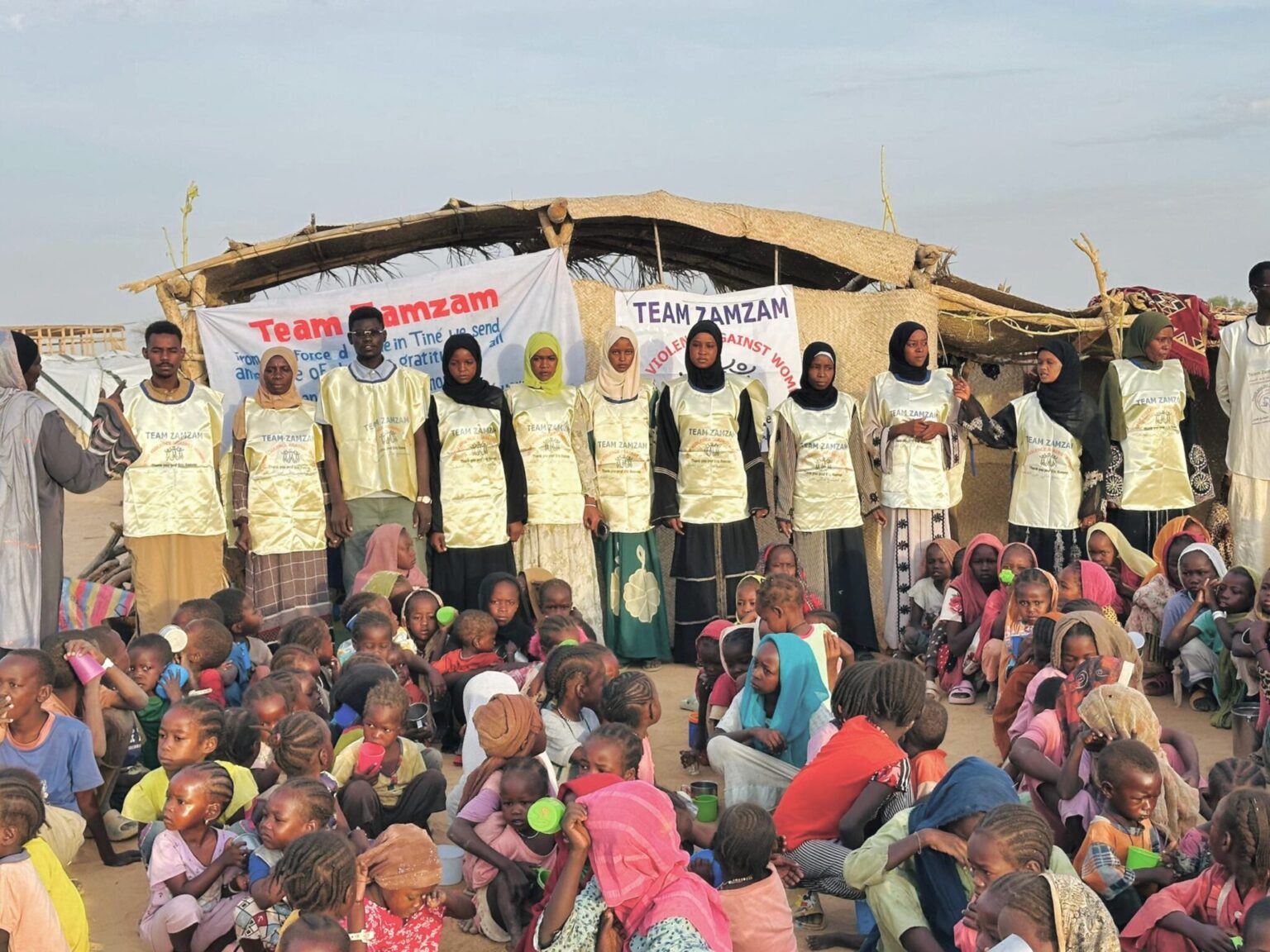
This page shows many more photographs of Team Zamzam assisting children in need: