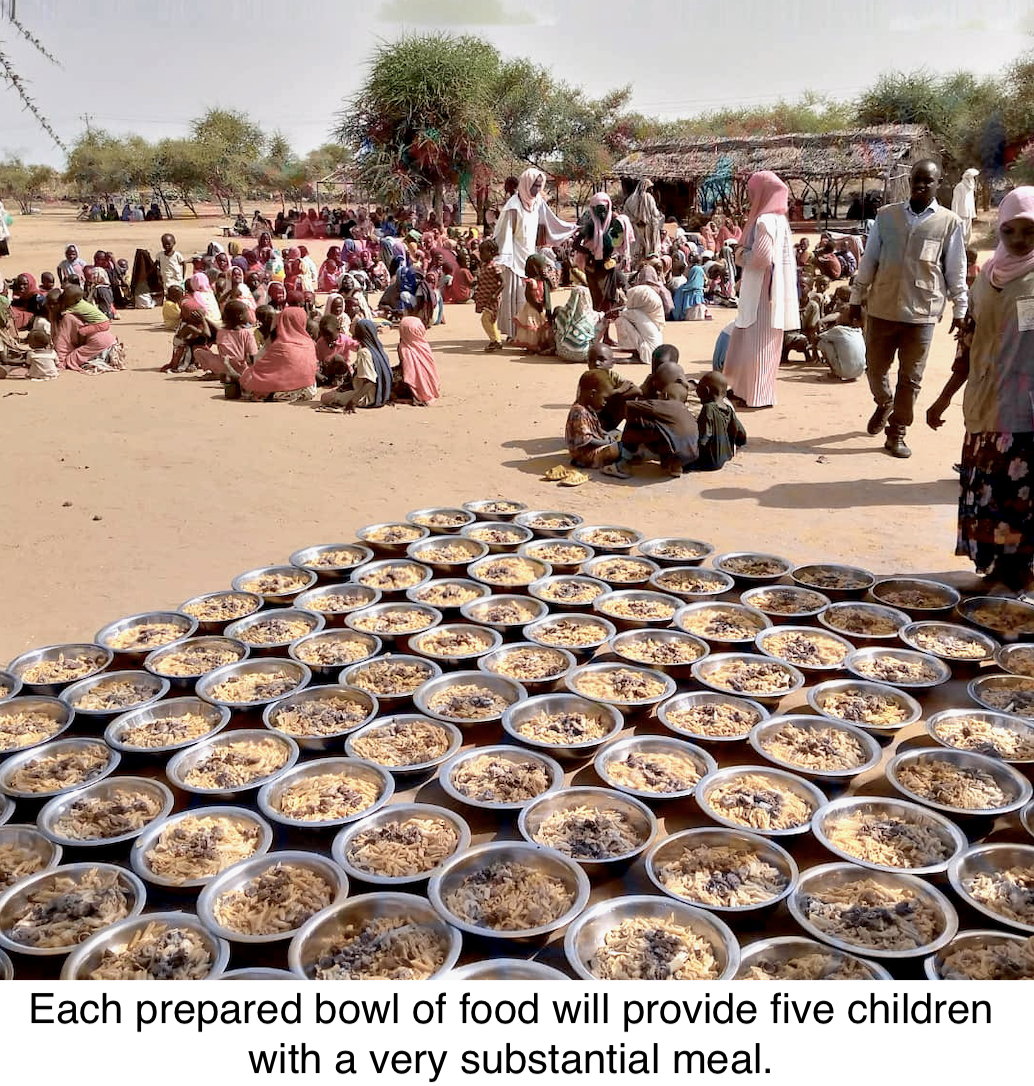
(Eric) Team Zamzam continues its vital work, although under what are again exceedingly insecure circumstances. As I write this, the Team counselors are sheltering in place in their rented compound on the Chad side of the border following yet another frontal military assault on Tina (Darfur) by the brutal Rapid Support Forces (RSF). The border between Chad and Darfur runs through the joint town of Tiné/Chad and Tina/Darfur, separated by a significant wadi, or dry riverbed; although dry most of the year, it often floods during the rainy season, becoming quite impassable.
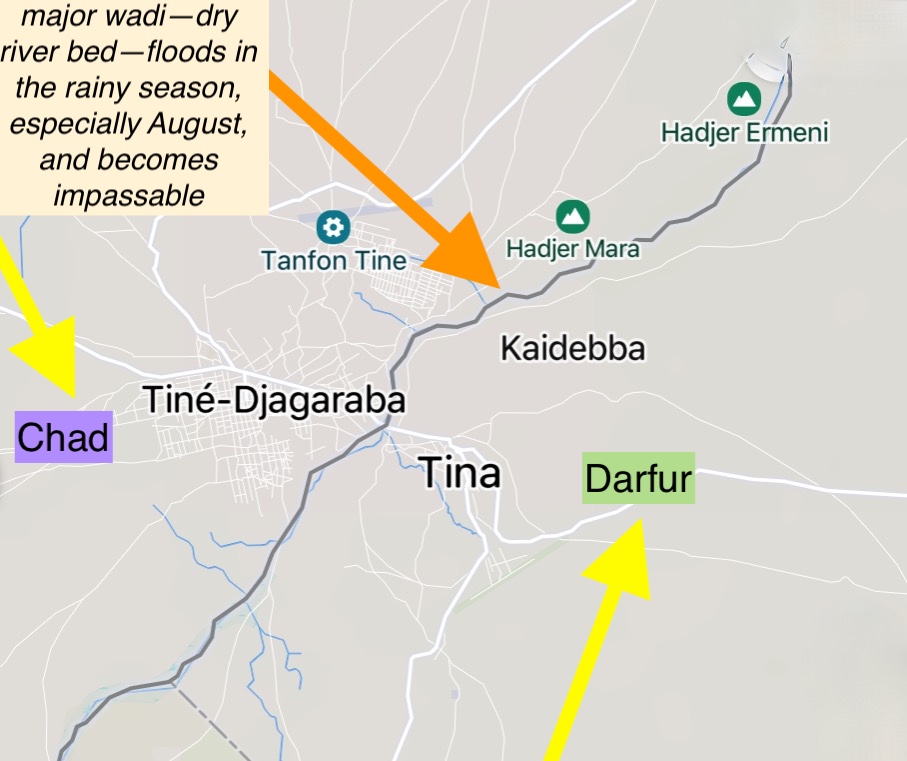 As a result of this (the rainy season traditionally begins in June), and because of the persistent threat of RSF attacks on the Darfur side, most who are able have crossed the border into Chad, and this is the population Team Zamzam is now responding to. The Chadian government in N’Djamena has closed the border between the two countries, which makes any cross-border international humanitarian aid impossible, even before the rains.
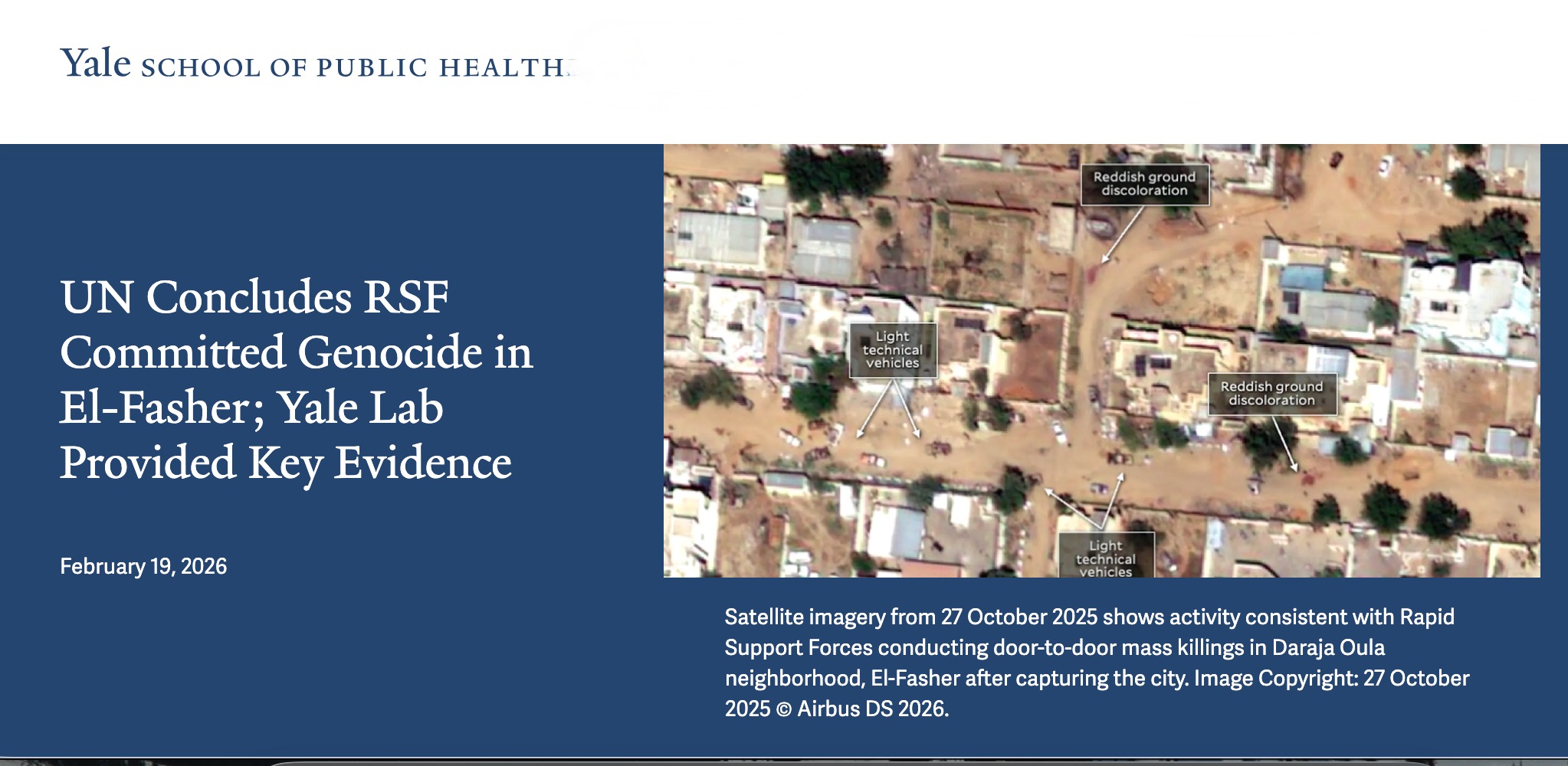
Many thousands are in effect stranded on the Darfur side, where they previously received aid from Team Zamzam; terrifyingly, we have no idea where tens of thousands of people are who fled the genocidal RSF assault on El Fasher in October 2025—or the equally barbarous RSF assault on Zamzam IDP camp in April 2025. Zamzam had a population estimated to be roughly 700,000 IDPs; El Fasher, capital of North Darfur, once had a population of almost 1 million residents. Our lack of data is nonetheless not complete: UN assessments of the towns of Um Baru and Kornoi (near Tina) strongly suggest that the famine in this part of Darfur continues to intensify.
A host of international assessments based on what information we do have makes clear that Darfur and Sudan remain the world’s greatest humanitarian crisis, and has the terrible distinction of being one of the three most dangerous countries in the world. For a compendium of humanitarian assessments from some of the world’s finest humanitarian organizations, UN agencies, and EU reports, see our Project Update of February 14, 2026.
It is a considerable challenge to gather reliable information on the larger security situation in Darfur and Sudan as a whole. New fronts in the war—now approaching a grim third anniversary—are constantly appearing across the country. More recently, fighting has been most intense in the Kordofan states and the southeast (Blue Nile, bordering Ethiopia, which has now created a base for the RSF from which the militia force can launch cross-border attacks, using military equipment and supplies that come from the United Arab Emirates (UAE). Indeed, there has been no diminishment of UAE-supplied advanced military equipment (including increasingly deployed drones), transportation vehicles, communications gear, and logistics.
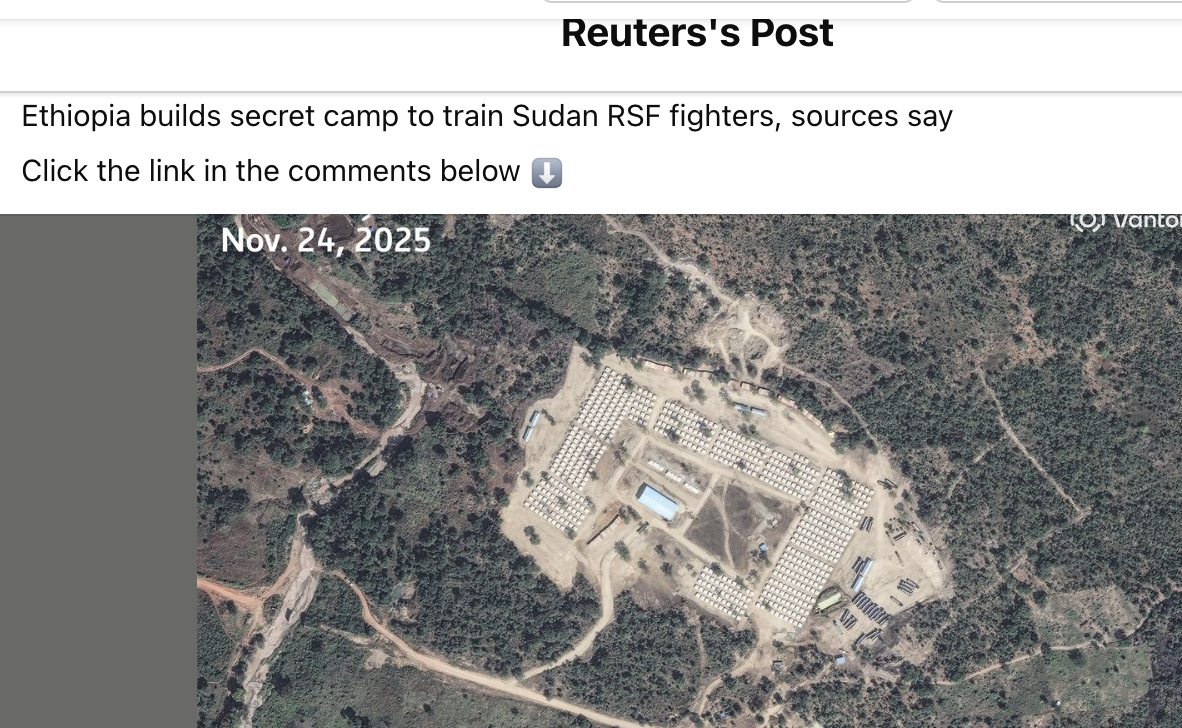
Given present evidence, this enormously destructive war will not end until the Emirati leadership, preeminently Mohamed bin Zayed, ends its ruthless imperial ambitions in Africa. The RSF has no popular support among Sudanese, even as many have no love for the military governance of Sudan Armed Forces (SAF) leader General al-Burhan. The cruel and immensely destructive predations of the RSF have ensured that they will never have any significant popular support—least of all in Darfur.
Even so, it remains scandalously the case that none of the countries with any leverage with the UAE and bin Zayed will call them out for their complicity in genocide, even following a UN finding that the RSF assault on El Fasher was genocidal in nature.
Those caught in this vast, inconclusive maelstrom of violence are in desperate need, as the monthly report from the coordinating counselor of Team Zamzam (below) makes clear. Yet the morale of the Team remains high: the order to shelter in place will soon be lifted, Gaffar has indicted, and work will resume.
Work That Must Be Done
Providing food to the most malnourished—especially children—remains the highest priority. But the Team has also already achieved an excellent reputation for providing urgent psychosocial counseling, and the numbers of traumatized victims seeking their help continues to grow. Moreover, Doctors Without Borders/Médecins Sans Frontières (MSF) is now operating a clinic in Tiné, and it has been suggested that women with fistula injuries seek assessment and possible referral from the clinic to a hospital further south along the Chad border. Team Zamzam will handle the pre-operative counseling and post-operative care and oversight, tasks for which the Team gained very considerable experience in Zamzam IDP camp before it was destroyed by the RSF.
But there is no doubt that providing adequate food to the still-growing Darfuri population, especially during the rainy season, will be immensely challenging. The UN’s World Food Program (WFP) is hampered by severe cuts to its budget worldwide and makes only sporadic delivers to the Tina/Tiné area. The UN High Commission for Refugees (UNHCR) is also badly underfunded, even as it responsible for the badly underserved refugee camps that have languished for years somewhat further to the west of the Chad/Darfur border.
Team Zamzam will be a leader in this effort, working with other ad hoc Sudanese NGOs, in providing as much food as possible to an extremely stressed and fragile population that has recently escaped famine or near-famine conditions.
But we need help, as our fiscal circumstances remain precariously uncertain if we wish to maintain our monthly budget of $15,000—for food, medicine, hygienic supplies, and salaries for the twenty dedicated, skilled, and compassionate counselors of Team Zamzam.
So I would remind our supporters that it is now possible to make a tax-deductible contribution to our project, using a portal on the website of a 501/c/3 organization operating in Sudan. Operation Broken Silence, our fiscal partner, works primarily on health and education issues in the Nuba Mountains of South Kordofan; OBS has created a special site for tax-deductible contributions to our project, and we hope this makes contributing to the health and well-being of the people served by Team Zamzam easier for donors.
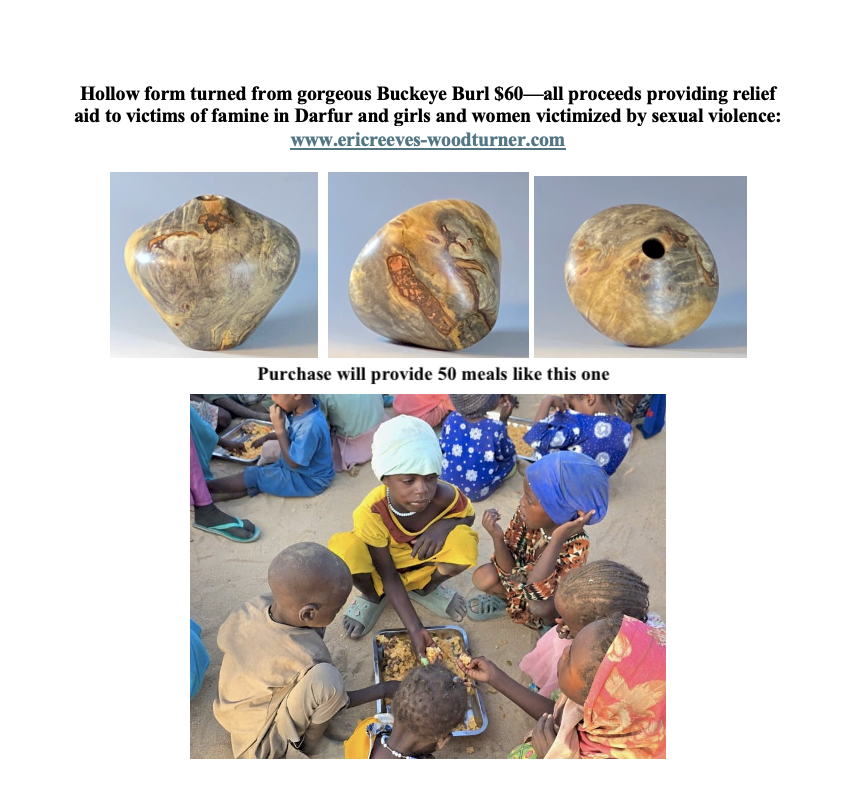
It is also possible for those in the United States to assist in another way: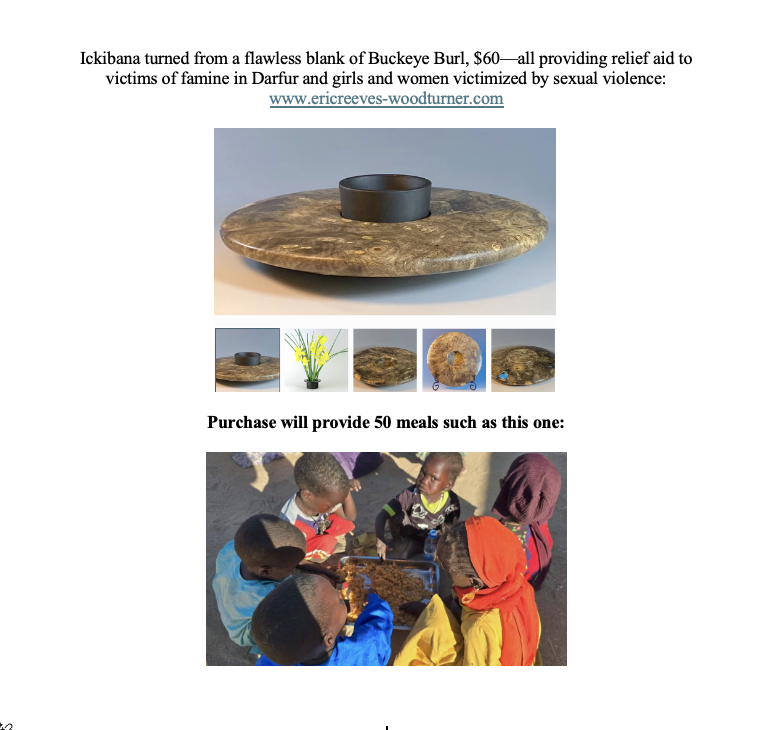

 ***********
From Zamzam Team’s Coordianting Counselor – Crisis Update (North Darfur / Tina Border Area) Reporting Period: Mid-February to Mid-March 2026 (translated by Gaffar)
Executive Summary:
The humanitarian situation along the Sudan–Chad border, particularly in the Tina area, has sharply deteriorated following repeated attacks on civilian populations. Escalating violence has forced thousands of families to flee across the border into Chad, where they now face extreme hardship, insecurity, and a near-total absence of basic services. Immediate international intervention is urgently required to prevent further loss of life.
[1] Escalating Security Crisis
The security situation has significantly worsened due to repeated militia attacks targeting villages around Tina:
- Continuous armed assaults have caused mass displacement of civilians.
- Thousands of families have fled into Chad seeking safety.
- Civilians remain unprotected and highly vulnerable to ongoing violence.
[2] Recent Attacks & Regional Escalation
On March 16, 2026, a major attack in both Sudanese and Chadian Tina areas had catastrophic consequences:
- Remaining displaced populations in temporary shelters were forced to flee further into Chad.
- More than 30 displaced civilians were killed, with dozens injured.
- A subsequent drone strike inside Chadian Tina killed at least 20 civilians, including both Chadian nationals and Sudanese refugees.
[3] Response Measures:
The Chadian government deployed a high-level military and security delegation, led by the Minister of Defense.
Chad officially closed its border with Sudan, further complicating humanitarian access.
[4] Refugee Conditions in Chadian Tina
The situation in temporary shelters in Chadian Tina is extremely critical:
The estimated population is 25,000+ Sudanese refugees in informal and open settlements.
Demographics: Majority are women, children, elderly, war-injured individuals, and people with disabilities.
[5] Key Challenges:
- Lack of accurate registration due to dispersed populations.
- Severe shortages of food and clean water.
- Limited or no access to healthcare.
- Absence of organized shelter and protection services.
Despite the scale of need, humanitarian assistance remains insufficient, irregular, and far below required levels.
Humanitarian Impact of These Deficiencies:
- Families are living in extreme vulnerability without basic survival needs.
- Individuals lack proper medical care.
- Children and women face heightened risks of malnutrition, trauma, and exploitation.
- Overcrowding and poor sanitation increase the risk of disease outbreaks.
Zamzam Team Interventions (Mid-February to Mid-March 2026)
During this period, Team Zamzam implemented the following support measures:
Psychosocial Counseling:
- 61 group sessions conducted for survivors of sexual violence
- 42 individuals attended privately
- Shelter Monitoring: 23 routine visits to assess living conditions in temporary shelters.
Food Distribution:
Basic food packages (rice, red lentils, sugar) and hygiene items (soap) distributed:
243 families (1,128 individuals) benefited
Food quantities distributed: 925 kg rice, 250 kg red lentils, 400 kg sugar
Breakfast Kitchen: Operated for three consecutive weeks (three days per week) to provide fresh meals to children and families suffering from malnutrition.
Hygiene items: 144 soap bars.
Urgent Humanitarian Needs
Immediate support is required in the following areas:
- Emergency food distribution
- Mobile health clinics and trauma care
- Water, sanitation, and hygiene (WASH) services
- Shelter and non-food items (NFIs)
- Protection services for women, children, and other vulnerable groups
- Psychosocial and mental health support
Call to Action
The situation at the Sudan–Chad border is rapidly escalating into a full-scale humanitarian emergency. We urgently appeal to:
- UN agencies
- Donor governments and humanitarian partners
- Immediate intervention is critical to prevent further loss of life and alleviate suffering.